
Endometriosis: The Basics Every Woman Should Know
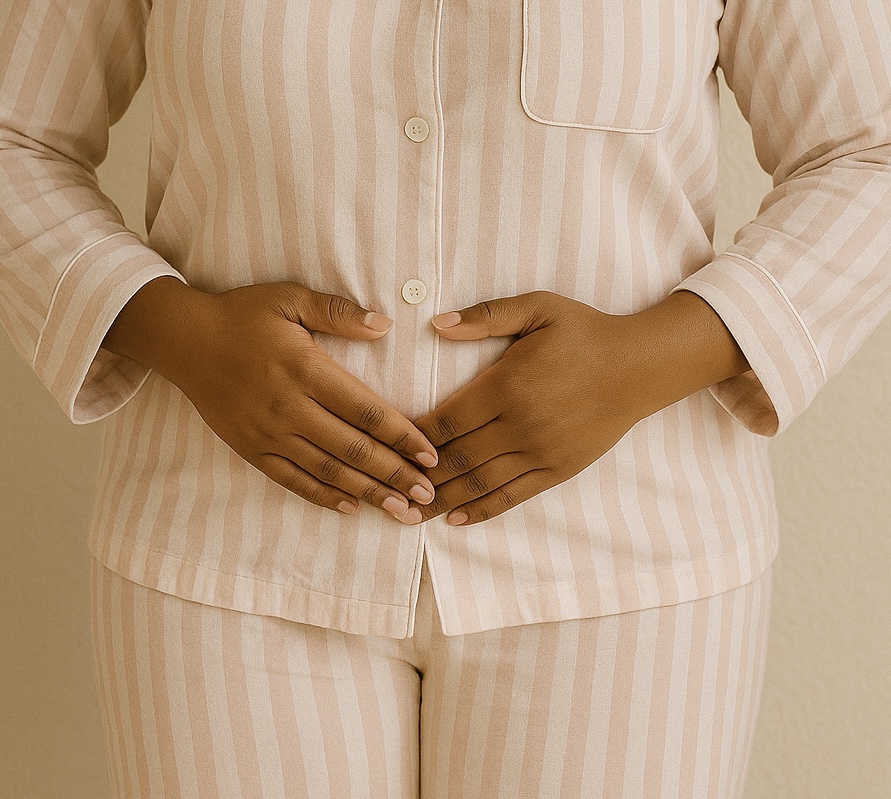
If you have ever been curled up on the floor during your period, clutching a hot water bottle and wondering, "Is this normal?" — this one is for you.
For generations, women have been told that period pain is simply our "cross to bear". Push through it. Get on with it. Meanwhile, many of us are living with a condition that has a name, a history, and treatment options: endometriosis.
Let us talk about what it actually is, how it shows up in real life, and what you can do if you suspect you might have it.
So… What Is Endometriosis?
Endometriosis (or endo) happens when tissue similar to the lining of your womb (endometrium) starts growing outside the uterus — on the ovaries, fallopian tubes, bladder, bowel, or other areas in the pelvis.
Every cycle, this tissue responds to hormones just like your uterine lining does: it thickens, breaks down, and bleeds. The problem? There is nowhere for that blood to go. That is where inflammation, pain, and sometimes scarring come in.
Endo is not "just a painful period". It is a chronic condition that can affect your pain levels, your fertility, your work, your relationships — your whole life, honestly.
How Common Is It?
Globally, endometriosis is estimated to affect around 1 in 10 women and people with uteruses. Many are never diagnosed, especially in countries like South Africa where access to gynaecologists or laparoscopic surgery is not always realistic.
So, if you have ever been made to feel dramatic for your pain, know this: you are not rare, you are just under-recognised.
What Endometriosis Looks Like in Real Life
Endo does not show up the same way for everyone, but these are some of the most common signs:
1. Severe Period Pain (Dysmenorrhoea)
We are not talking "pop one painkiller and go". We are talking:
- Pain that stops you from going to school or work
- Vomiting, diarrhoea or fainting with your period
- Pain that does not respond to usual pain meds
If you are missing days of work every month because of menstrual pain, that is not something you just have to "toughen up" through.
2. Pain During or After Sex
Penetrative sex that feels sharp, deep, or achy — especially around your period — can be a symptom of endometriosis.
In a country where we barely talk openly about sex, many women keep quiet about this and just push through the pain. You do not have to.
3. Chronic Pelvic Pain
Pain is not always limited to your period. You might have:
- Ongoing pelvic pain throughout the month
- Lower back pain
- Pain when peeing or passing stools, especially during your period
Sometimes this gets misdiagnosed as IBS, a urinary infection, or "stress".
4. Heavy Bleeding
Some people with endo experience:
- Very heavy periods
- Periods that last more than 7 days
- Bleeding between periods
You should not be soaking through pads or tampons every hour. If you are constantly anxious about leaking, it is worth getting checked out.
5. Fertility Challenges
Endometriosis can make it harder to fall pregnant for some women, though many do conceive — naturally or with assistance.
In many cultures, where motherhood is often treated like a woman's "proof" of womanhood, fertility struggles can be wrapped in shame and silence. Endo is one possible explanation, not a failure on your part.
6. Fatigue and Mood Changes
Living with chronic pain is exhausting. Add hormonal shifts, poor sleep, and the emotional weight of not feeling believed, and burnout is inevitable. Many women with endo report anxiety, low mood and a sense of constant tiredness.
Why Does Endometriosis Happen?
The honest answer: we still do not fully know. There are several theories — including retrograde menstruation (period blood flowing backwards into the pelvis), immune system issues, and genetics — but no single cause explains everything.
What we do know is:
- Endo is not caused by being sexually active "too early" or "too late"
- It is not a punishment for anything
- It is not in your head, even if your pain does not show up on a scan
Why Women's Pain Is So Often Dismissed
Endo does not exist in a vacuum; it exists in a system.
Many girls grow up hearing that periods are supposed to be painful. Women — particularly Black women — often have their pain downplayed and labelled as "dramatic" or "exaggerating".
Government clinics are under pressure, appointments are rushed, and the repeated message is: "Take painkillers, you will be fine."
But "bad cramps" that stop you from functioning, month after month, are not a normal part of womanhood. They are a sign that something deserves proper investigation.
How Is Endometriosis Diagnosed?
This is where it gets tricky.
Symptoms and History: A good clinician will take your pain seriously and ask detailed questions about your periods, sex, bowel/bladder symptoms, and family history.
Scans: Ultrasound can sometimes pick up endometriomas (cysts caused by endo), but many women with endo have normal scans.
Laparoscopy: The gold standard diagnosis is through a keyhole surgery where a surgeon looks inside your pelvis and may take biopsies. This is not available everywhere and can have long waiting lists in the public sector.
How Is Endometriosis Treated?
There is not a one-size-fits-all cure, but there are options to manage symptoms and protect your quality of life.
1. Pain Relief
- Over-the-counter anti-inflammatories (like ibuprofen)
- Stronger prescription pain meds for flare-ups
These do not treat the underlying endo, but they can help get you through the worst days.
2. Hormonal Treatments
These aim to reduce or stop periods and slow the growth of endometriosis tissue. They might include:
- Combined oral contraceptive pills
- Progestin-only methods (injection, implant, IUS)
- Other hormone-modulating medications prescribed by specialists
Not everyone responds the same way, and side effects are real — which is why shared decision-making with your provider is so important.
3. Surgery
Laparoscopic surgery can remove or burn away endometriosis lesions and release scar tissue. This can improve pain and sometimes fertility, but endo can recur.
Access to skilled endometriosis surgeons is uneven in South Africa, especially outside big cities and private care.
4. Lifestyle and Support
You cannot yoga your way out of endometriosis — but supportive choices can help:
- Gentle movement (walking, stretching, Pilates)
- Anti-inflammatory style eating where possible
- Heat therapy (hot water bottles, warm baths)
- Therapy or support groups to process the emotional toll
And most importantly: being believed.
Where Does Olanna Fit In?
Endo is complicated. Your body, your context, and your access to care are all unique. That is where tools like the Olanna women's health app can help you:
- Track your cycle and pain levels over time
- Spot patterns in your symptoms
- Prepare for appointments with clear, organised data
- Access trustworthy information tailored to your health journey
We cannot replace your doctor, but we can help you show up to your healthcare visits informed, confident, and less alone.
The Bottom Line
If your period is ruining your life every month, it is not because you are weak. It is not because you "cannot handle pain". It might be because you are living with endometriosis — a real, chronic condition that deserves diagnosis, support, and care.
You are allowed to ask questions. You are allowed to say, "This pain is not normal for me." And you are allowed to demand a healthcare system that listens.
Until then, Olanna is here to walk with you — one cycle, one symptom, one brave conversation at a time.
References
- 1.Zondervan KT, Becker CM, Missmer SA. Endometriosis. N Engl J Med. 2020;382(13):1244-1256.
- 2.Johnson NP, Hummelshoj L; World Endometriosis Society Montpellier Consortium. Consensus on current management of endometriosis. Hum Reprod. 2013;28(6):1552-1568.
- 3.Agarwal SK, Chapron C, Giudice LC, et al. Clinical diagnosis of endometriosis: a call to action. Am J Obstet Gynecol. 2019;220(4):354.e1-354.e12.
Citations formatted in Vancouver style. These references are provided for educational purposes only.
Olanna is building a reproductive health app shaped by women like you.
Join Early AccessMedical Disclaimer
This article is for educational purposes only and does not constitute medical advice. Always consult with a qualified healthcare provider regarding any medical condition or treatment.