
Is It PCOS? The Signs Your Body Has Been Trying to Tell You
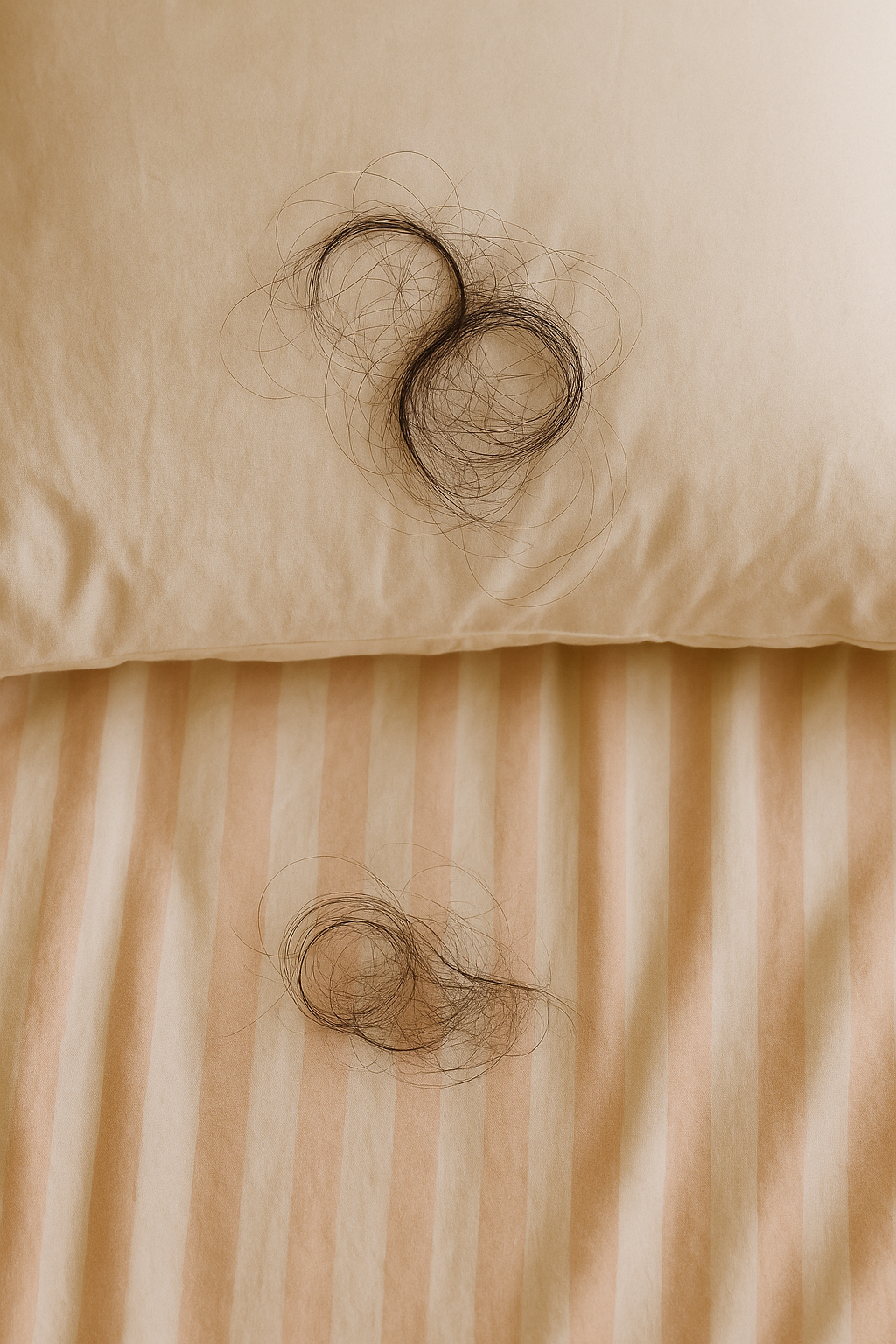
Sometimes the signs are quiet, but they deserve to be heard.
If you have ever sat on Google at 2 AM trying to understand why your period disappears for three months only to return with the vengeance of a tax collector, you are not alone. Polycystic Ovarian Syndrome (PCOS) affects roughly 1 in 10 women — and many navigate this condition for years without the language or support to make sense of their symptoms.
PCOS is not a one-size-fits-all illness; it is more like a personality cluster. For some women, it is the stubborn hormonal acne that refuses to mind its business. For others, it is struggling to lose weight no matter how many Rooibos detox teas they drink. And for many, it is the quiet emotional toll of feeling like your body is working against you.
Let us break it down — clearly, gently, and with the honesty every woman deserves.
What Exactly Is PCOS?
PCOS is a hormonal condition where your ovaries produce higher-than-normal amounts of androgens (male-associated hormones). This hormonal imbalance can affect ovulation, period regularity, weight, mood, and even fertility.
Think of your hormones as a choir. With PCOS, one section — usually the altos — starts singing off-key and refuses to blend. The entire performance suffers.
Common Signs and Symptoms
PCOS does not look the same for everyone — genetics, lifestyle, ethnicity, and environment all play a role. But here are the symptoms many women report:
Irregular or missing periods
Your cycle could be 28 days one month and 60 days the next. Some women do not get a period for months at a time.
Skin changes
Hormonal acne, oily skin, and darkening of the neck or inner thighs — often linked to insulin resistance.
Difficulty losing weight
PCOS frequently involves insulin resistance, making weight loss harder.
Excess hair growth
PCOS can cause facial or body hair growth in male-pattern areas.
Thinning hair on the head
Androgen-related hair thinning is another documented symptom.
Mood changes
Anxiety, irritability, and low mood are common but often overlooked.
Why PCOS Happens (And No, It Is Not Your Fault)
The exact cause is not fully understood, but two major factors drive PCOS:
Insulin resistance
Your body struggles to use insulin properly, raising insulin and androgen levels.
Genetics
PCOS often runs in families.
What You Can Do (Starting Today)
PCOS is chronic — not "curable," but very manageable. Small, consistent changes matter.
Track your cycle
Apps like Olanna help you understand your patterns and take control.
Prioritise balanced eating
A sustainable eating pattern improves insulin sensitivity.
Move your body
Regular movement improves metabolic health and mood.
Speak to a healthcare professional
Diagnosis and treatment guidelines are well-established.
Strengthen your support system
No woman should navigate PCOS alone.
The Bottom Line
PCOS is common, manageable, and nothing to be ashamed of. Your symptoms are real, valid, and deserve attention. With tools like the Olanna reproductive health app and proper medical support, you are not walking this journey alone.
References
- 1.Rotterdam ESHRE/ASRM-Sponsored PCOS Consensus Workshop Group. Revised 2003 consensus on diagnostic criteria and long-term health risks related to polycystic ovary syndrome. Fertil Steril. 2004;81(1):19-25.
- 2.Teede HJ, Misso ML, Costello MF, et al. Recommendations from the international evidence-based guideline for the assessment and management of polycystic ovary syndrome. Hum Reprod. 2018;33(9):1602-1618.
- 3.Azziz R, Carmina E, Chen Z, et al. Polycystic ovary syndrome. Nat Rev Dis Primers. 2016;2:16057.
- 4.Dunaif A. Insulin resistance and the polycystic ovary syndrome: mechanism and implications. Endocr Rev. 1997;18(6):774-800.
- 5.Lizneva D, Suturina L, Walker W, et al. Criteria, prevalence, and phenotypes of PCOS. Fertil Steril. 2016;106(1):6-15.
- 6.Goodman NF, Cobin RH, Futterweit W, et al. AACE position statement on metabolic and cardiovascular consequences of PCOS. Endocr Pract. 2015;21(11):1291-1300.
Citations formatted in Vancouver style. These references are provided for educational purposes only.
Olanna is building a reproductive health app shaped by women like you.
Join Early AccessMedical Disclaimer
This article is for educational purposes only and does not constitute medical advice. Always consult with a qualified healthcare provider regarding any medical condition or treatment.